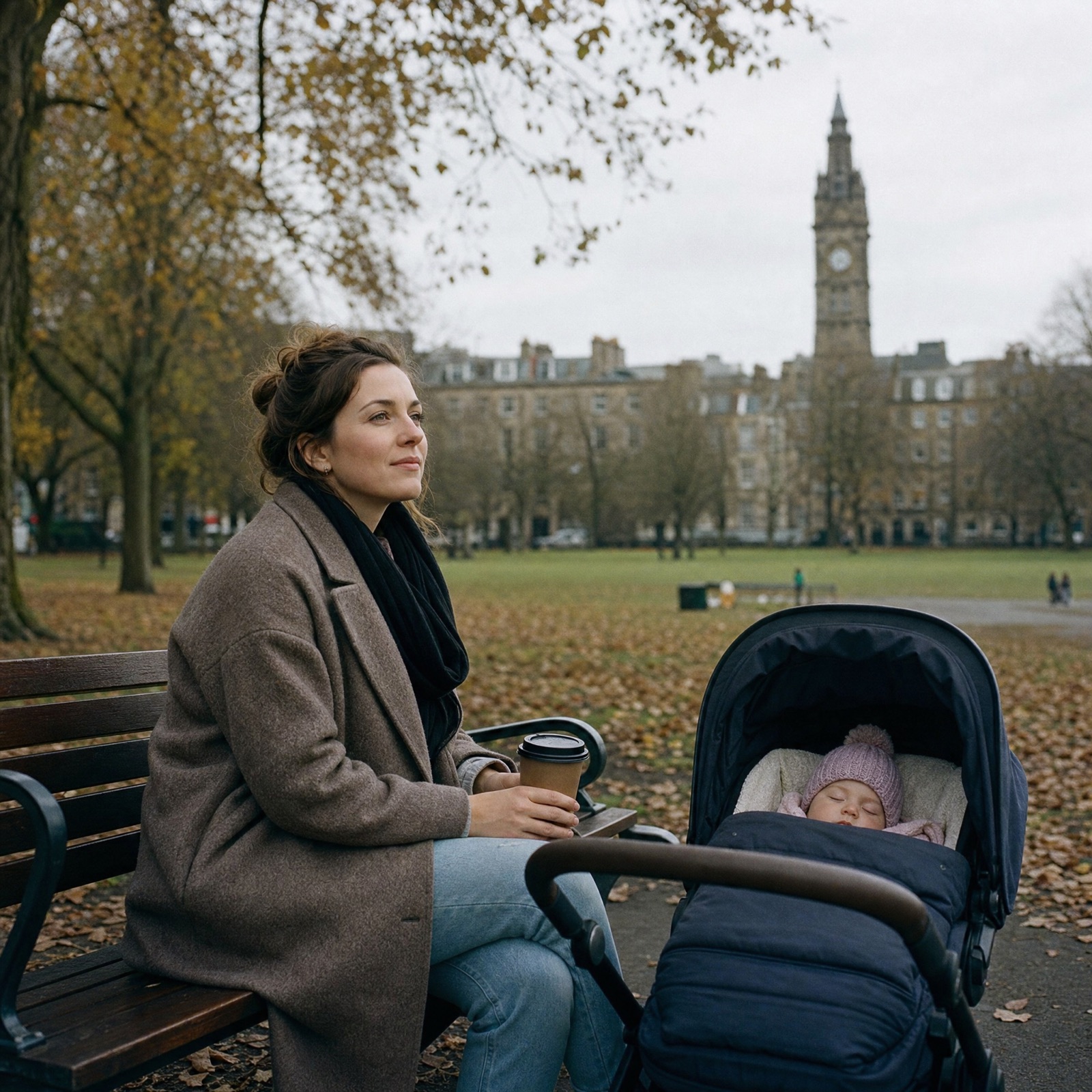
"I Finally Understood What Was Happening": How One Carer Found Her Footing After a Difficult Diagnosis
When Margaret's mother was diagnosed with a heart condition in her eighties, every question felt harder from a remote farm at the tip of the Rhins — until one phone call changed that.
Margaret has farmed near Drummore, at the southern tip of the Rhins of Galloway, for most of her adult life. The land there is flat and wind-scoured, facing out toward the Irish Sea, and the nearest town of any size is Stranraer — a drive of nearly half an hour in good conditions. When her mother Eileen was diagnosed with atrial fibrillation in her mid-eighties and started a new medication regime, Margaret found herself managing unfamiliar territory largely alone.
"The cardiologist was brilliant, but the appointment was in Dumfries and there was so much information to take in at once," Margaret says. "By the time we got home, Mum couldn't remember half of what had been said and honestly neither could I. And then you're back at the farm and the questions start — what does this symptom mean? Is this normal? Should I be worried? The surgery is in Stranraer, and you feel bad ringing them for what might be nothing. You don't want to waste their time. So you just sit with the worry instead."
A leaflet from the Atlas van, which had stopped at the village hall in Drummore several months earlier, had stayed on Margaret's kitchen windowsill. One evening, when Eileen mentioned she had been more tired than usual and her ankles seemed swollen, Margaret picked it up and called the Atlas freephone number.
"The woman I spoke to was so calm and so clear," Margaret remembers. "She explained what the medication was doing, why ankle swelling can happen with that type of drug and when it matters and when it doesn't, and she went through the signs that would mean I should call 111 or the surgery that day. She didn't make me feel foolish for not knowing. She didn't make me feel like I was wasting anyone's time. She just answered the question."
The call lasted about twenty minutes. Margaret came away with a clearer understanding of her mother's condition, a short list of questions she wanted to raise at Eileen's next practice review, and — she is emphatic about this — a sense of relief that was partly practical and partly something harder to describe. "When you're caring for someone a long way from everything, it can feel very lonely," she says. "That call made me feel like someone was on our side."
Eileen's ankle swelling, as the advice line volunteer had explained, was a known and manageable side effect of her medication. It resolved when her GP adjusted the dose at the next review. But for Margaret, the value of that conversation was not only in the practical answer. For rural carers especially, the weight of navigating a family member's health — decoding letters from specialists, judging whether a symptom is urgent, preparing for appointments and making the most of short consultation time — is often carried largely in private.
Stories like Margaret's are why Atlas exists. The freephone advice line is open to anyone in the Rhins and Machars area, with no referral needed, no appointment, and no charge. If you are caring for someone with a long-term condition, or managing your own health from a rural address, we are here for the questions that do not quite have anywhere else to go. You are not wasting our time. That is what we are here for.